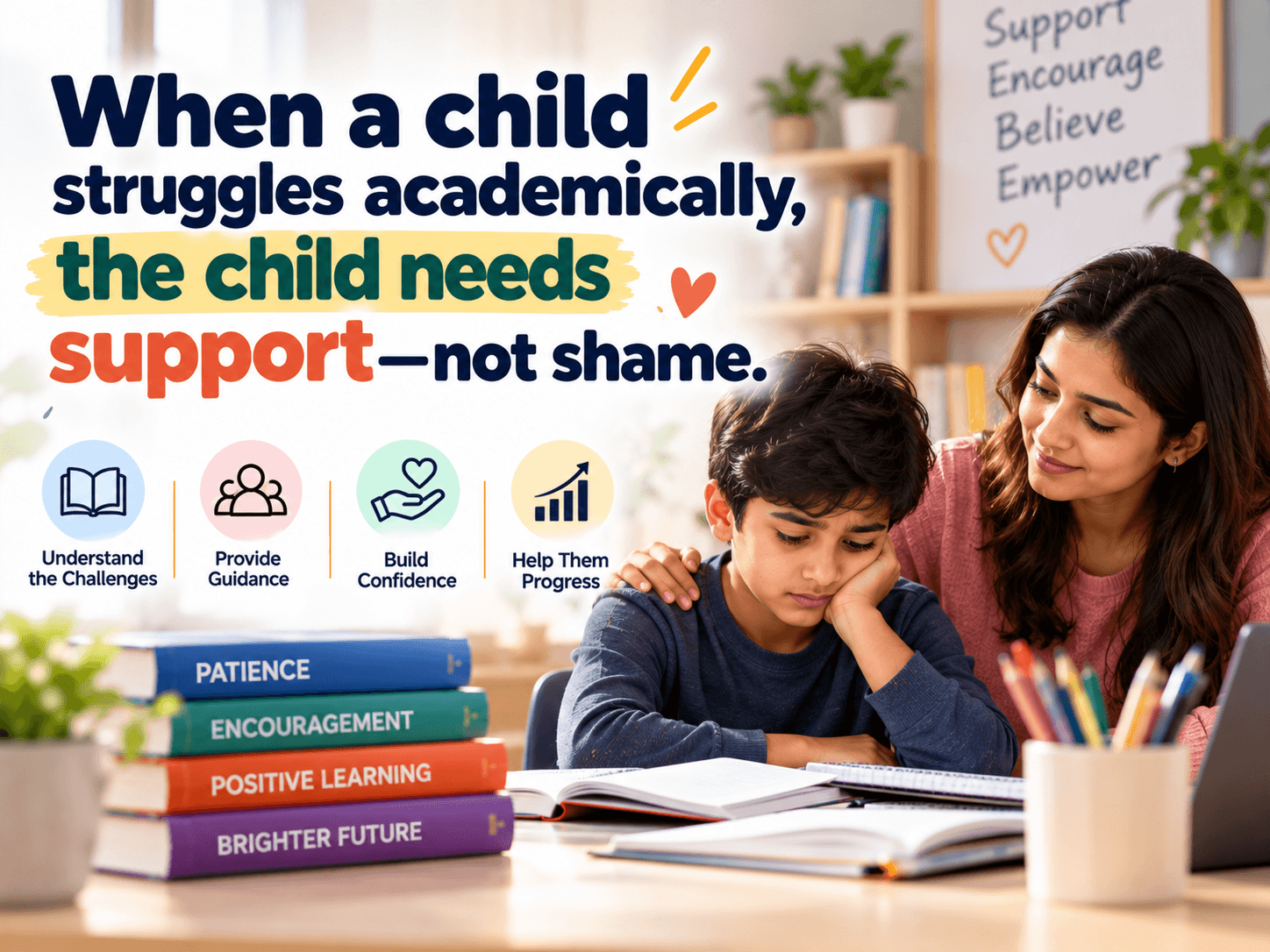
In today’s hyper-competitive academic environment, board exam marks often become an unfair label for a student’s potential. For parents, watching a child struggle with class 10 or class 12 coursework can trigger fear, uncertainty, and immense social pressure. When a student learns at a different speed or experiences difficulties in grasping traditional classroom concepts, society often mislabels them as “slow learners.” However, experiencing learning hurdles does not define a student’s intelligence or future success. With tailored strategies, flexible learning frameworks, and compassionate parental support, every child can overcome these hurdles. You can rely on SchoolBase to empower your child’s academic journey.
What Does It Mean When a Student Is Called a Slow Learner?
The term “slow learner” is frequently misunderstood in traditional classroom settings. It does not signify a lack of intelligence or cognitive capacity; rather, it reflects a distinction in information processing speed and learning style. In a standard classroom environment designed for mass instruction, individual learning paces are rarely accommodated.
- Foundational Gaps: Missing core concepts in middle school often leads to cumulative difficulties in higher secondary grades, making advanced topics harder to digest.
- Subject-Specific Difficulties: A student may excel in abstract or creative subjects like literature, history, or arts while struggling with logical-mathematical concepts like physics or algebra.
- Pacing Differences: Many students require additional time, visual aids, or practical examples to internalize complex theories before applying them effectively.
Social Stigma in Class 10: The Fear of Failing or Being Compared
Class 10 serves as the first major academic milestone in the Indian education system. Unfortunately, it is also accompanied by heavy social pressure, constant peer comparisons, and relentless scrutiny from extended family members. For slow learners, Class 10 becomes an uphill battle dominated by the fear of failure.
The constant pressure to secure high percentages often overshadows concept mastery. When parents and teachers draw comparisons with high-performing peers, students internalize a sense of inadequacy. This fear frequently manifests as exam dread, reluctance to attend classes, or withdrawal from academic discussions.
Social Stigma in Class 12: Career Uncertainty and Eligibility Realities
By Class 12, the stakes escalate significantly. The narrative shifts from simply passing board exams to securing college admissions, clearing competitive entrance tests, and meeting strict eligibility criteria. Slow learners in Class 12 face severe anxiety regarding their immediate career prospects and future stability.
Societal stigma during this phase assumes that low board percentages permanently shut doors to successful careers. However, traditional board structures are not the only route to higher education. Dedicated guidance for NIOS admission and open schooling pathways allows students to fulfill eligibility requirements while studying at an manageable pace.
How Stigma Impacts Mental Wellbeing and Academic Confidence
The emotional toll of continuous academic judgment can be far more damaging than poor grades. When children encounter persistent social stigma, their psychological well-being suffers across multiple dimensions:
- Chronic Academic Anxiety: Fear of low scores triggers persistent stress, impairing memory retention and cognitive focus.
- Erosion of Self-Worth: Repeated negative feedback leads students to believe they are incapable of achieving success.
- Social Alienation: Fear of judgment prompts students to isolate themselves from peers, family gatherings, and extracurricular activities.
Exploring Open Schooling / NIOS as a Flexible Alternative Pathway
To break free from the rigid constraints of traditional schooling, parents are increasingly exploring alternative educational frameworks. The National Institute of Open Schooling (NIOS) offers a recognized, flexible, and government-approved curriculum designed to accommodate diverse learning speeds.
Through flexible subject selection, credit transfers, and On-Demand Examinations, NIOS allows Class 10 and Class 12 students to complete their education without sacrificing their mental peace. Families seeking structured assistance can consult the expert resources on SchoolBase guidance services to tailor an personalized academic strategy.
Comparison Table: Class 10 vs. Class 12 Student Needs
Understanding the distinct challenges faced by students across these two critical years helps parents tailor their support effectively:
| Parameter | Class 10 Students | Class 12 Students |
|---|---|---|
| Primary Concern | Board exam anxiety and peer comparison | Higher education eligibility and career choices |
| Core Focus Area | Strengthening foundational concepts and study habits | Subject specialization and entrance exam preparation |
| Parental Support Role | Building confidence and mitigating exam dread | Facilitating flexible pathways and career orientation |
| Alternative Options | Stream selection flexibility via NIOS Secondary | On-Demand exams and flexible subject choices via NIOS Senior Secondary |
Actionable Steps for Parents to Eliminate Shame and Build Support
As a parent, your attitude toward academic challenges shapes your child’s resilience. Here are key strategies to provide constructive support:
- Shift Focus from Marks to Mastery: Celebrate effort, small improvements, and conceptual understanding rather than focusing solely on test percentages.
- Normalize Diverse Learning Pathways: Educate relatives and peers on alternative educational boards like NIOS to remove secrecy and stigma.
- Create a Structured, Stress-Free Home Study Environment: Break down study sessions into manageable intervals and incorporate regular breaks to prevent burnout.
- Seek Professional Educational Counseling: Engage with experienced counselors to evaluate your child’s strengths and align them with suitable academic options.
Conclusion: Choosing Empowerment Over Stigma for 2027
Academic speed does not dictate a child’s future potential or worth. As we move into 2027, the emphasis must shift from rigid traditional expectations to personalized, empowering learning frameworks. By recognizing learning differences early, rejecting societal stigma, and leveraging flexible schooling options, parents can guide their children toward academic confidence and long-term success.